Car Window Tinting in Omaha: Ceramic vs. Carbon vs. Dyed Film Explained
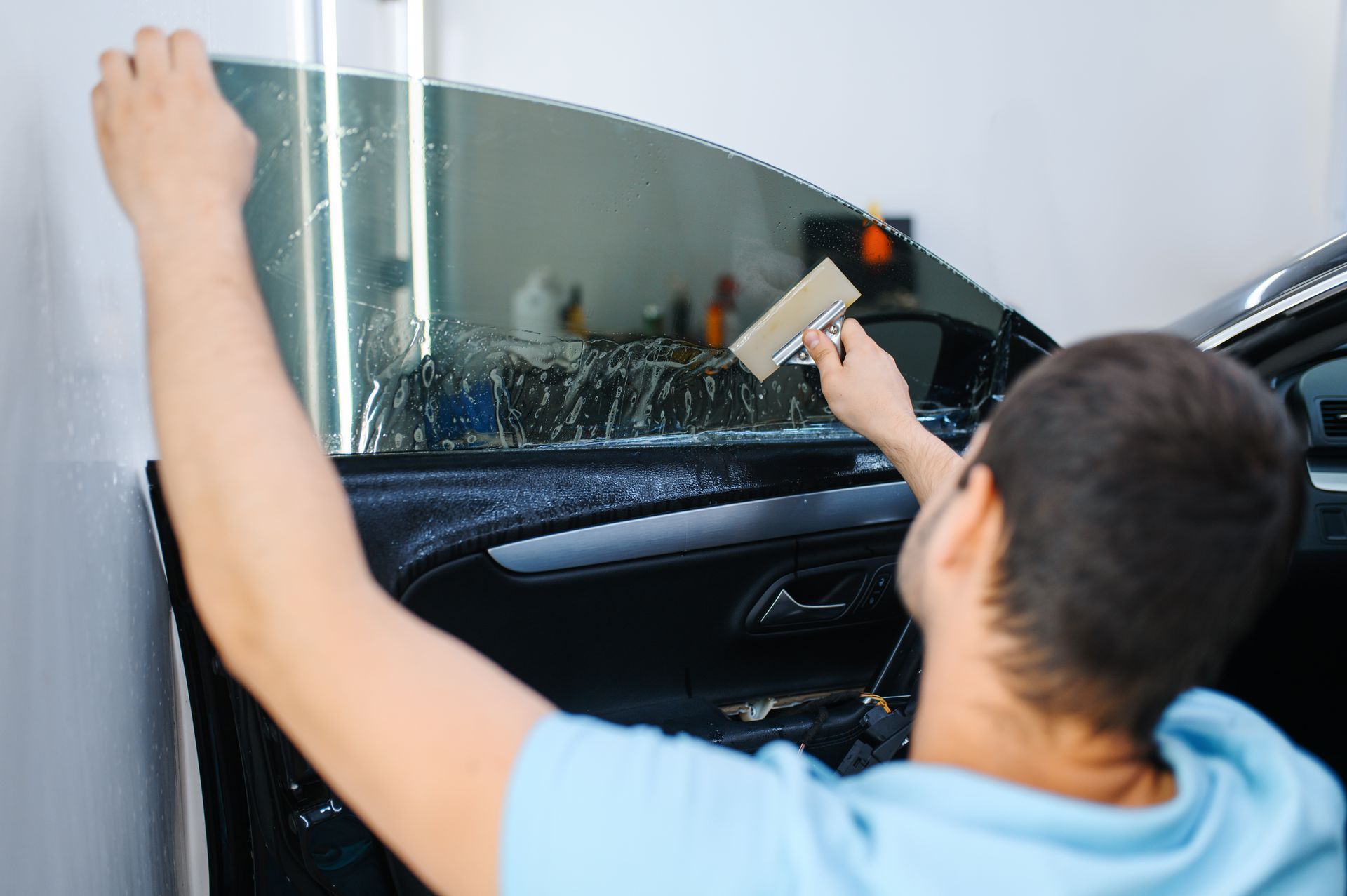
Choosing the right window tint film matters more than most Omaha drivers realize, and this guide breaks down the three most common film types so you can make a confident decision before your next appointment. Whether you drive a pickup through West Omaha or commute daily between Midtown and the interstate, the film you choose affects how cool your cabin stays, how long the tint lasts, and what it costs. Car window tinting in Omaha, NE, is not a one-size-fits-all service, and understanding the differences between ceramic, carbon, and dyed films is the first step.
How Omaha's Climate Affects Your Film Choice
Nebraska's weather makes film selection genuinely important. Omaha summers regularly push into the 90s, and the flat terrain means direct sun exposure for hours during a commute on I-80 or Dodge Street. UV radiation is intense across the Nebraska plains, and that heat and light work against both your comfort and your vehicle's interior. The film type you choose determines how much of that solar energy gets stopped at the glass.
Dyed Window Film
Dyed film is the entry-level option in car window tinting. It works by layering dye between an adhesive layer and a protective coating to absorb some solar heat and reduce visible light. It offers basic privacy and glare reduction at a lower investment than other options.
The trade-off is durability. Dyed film can fade or turn purple after prolonged exposure to intense sun, which is a real concern given Nebraska's long, hot summers. Heat rejection performance is limited compared to higher-tier films, and UV blocking is less consistent over time. For drivers who prioritize appearance and budget over long-term performance, dyed film may still be a workable choice for rear windows.
Carbon Window Film
Carbon film removes the metallic layer found in older films and replaces it with carbon particles. This delivers noticeably better heat rejection than dyed film and maintains a consistent matte, non-reflective finish that many drivers find attractive. It also does not interfere with GPS, cell signals, or radio reception.
Carbon film holds its color well over time and does not fade the way dyed films do. For Omaha drivers who want a meaningful upgrade in performance without reaching the top of the price range, carbon film often represents a solid middle ground. UV blocking is strong, and the film tends to be stable even through Nebraska's seasonal temperature swings from summer heat to winter cold.
Ceramic Window Film
Ceramic film sits at the top of the performance range. It uses non-metallic, non-conductive ceramic particles to block infrared heat and UV radiation at levels that dyed and carbon films cannot match. It can block a significant portion of solar heat before it enters your cabin, which matters most on a 95-degree afternoon in a parking lot near Village Pointe or along the West Dodge corridor.
Like all car window tinting, ceramic film also blocks 99% or more of UV rays, which protects your skin on long drives and slows the fading and cracking of your dashboard, seats, and door panels. It produces no signal interference, which is especially relevant in newer vehicles loaded with Bluetooth, wireless charging, and built-in GPS. The film stays optically clear and does not take on a hazy or reflective appearance.
Is Ceramic Window Tint Worth It for Omaha Drivers?
Ceramic tint may be worth the higher investment for drivers who spend significant time on the road in Omaha. The performance difference is most noticeable on hot days when your air conditioning runs less and your cabin reaches a comfortable temperature faster. Interior protection is also stronger, which can preserve the resale value of your vehicle over time.
For drivers who put on significant miles between Omaha, Bellevue, Papillion, and beyond, ceramic film's durability means fewer concerns about fading, peeling, or declining performance year after year. It performs consistently across Nebraska's climate extremes, from summer heat to winter cold.
Film Type Comparison at a Glance
Dyed Film
- Heat Rejection: Basic
- UV Blocking: Moderate
- Signal Interference: None
- Glare Reduction: Moderate
- Durability: Lower
- Color Stability: Fades over time
Carbon Film
- Heat Rejection: Good
- UV Blocking: Strong
- Signal Interference: None
- Glare Reduction: Good
- Durability: Good
- Color Stability: Stable
Ceramic Film
- Heat Rejection: Excellent
- UV Blocking: 99%+
- Signal Interference: None
- Glare Reduction: Excellent
- Durability: Excellent
- Color Stability: Stable
What Is Nebraska's Legal Tint Limit?
Nebraska law requires that front side windows allow at least 35% of visible light to pass through. Any film applied to those windows must keep the vehicle in compliance. Rear windows and back glass typically allow for darker applications. A professional installer can help you select a shade that matches your preferences while keeping your vehicle street-legal in Omaha, NE.
Which Film Type Lasts Longest?
Ceramic film generally offers the longest service life among the three film types. Carbon film is also durable and holds its appearance well. Dyed film is the most likely to fade or degrade, particularly in climates like Omaha's with intense summer UV exposure. When comparing car window tinting options in Omaha, NE, professional installation also plays a significant role in how long any film performs, regardless of the type selected. Drivers who invest in a quality tint job typically see better results over time than those who choose the lowest-cost option without considering film type or installer experience.
Ready to Choose the Right Tint for Your Vehicle?
Picking the right film is easier when you have expert guidance. Pro-Tint serves Omaha, NE, drivers with professional-grade car window tinting backed by decades of experience in the industry. The team can walk you through your options based on your vehicle, your driving habits, and your goals, so you leave with a result you are confident in.
To explore auto tinting options and film details, visit the
auto window tinting service page. To schedule your appointment or ask questions,
reach out through the contact page or call
(402) 474-1234.